While United Nations Security Council resolutions strictly prohibit the export of ferrosilicon from the Democratic People's Republic of Korea (DPRK), trade data and industry analysis indicate that this specific alloy-particularly the 65% grade-continues to circulate within the global supply chain. The product holds a niche yet persistent position primarily due to its significant price advantage and the ongoing demand from smaller foundries in Asia and Eastern Europe.
According to Chinese customs data, despite international restrictions, measurable volumes of ferrosilicon from North Korea enter neighboring markets. In September 2025 alone, China imported over 4,000 metric tons of ferrosilicon from North Korea, valued at approximately $2.86 million -7. This follows a pattern observed in previous years; for instance, in December 2021, the DPRK exported nearly 16 million kilograms of ferrosilicon worth $11.7 million to China, marking a surprising return to pre-pandemic trade levels despite existing legal prohibitions .
Industry analysis of the specific 65% ferrosilicon grade reveals distinct technical characteristics. Unlike the standardized output from major producers like China or Russia, North Korean FeSi65 is typically produced using local anthracite coal and quartzite in aging electric arc furnaces. The resulting material often contains slightly higher levels of aluminum, calcium, and titanium residuals. Consequently, while it performs adequately for basic de-oxidation in carbon steel production, it may require additional processing or blending for more sensitive applications, such as producing ductile iron . To compensate for quality inconsistencies, the product is typically offered at a 15–20 percent discount compared to mainstream Chinese 65% ferrosilicon, which generally trades around $1,100 to $1,200 per ton .
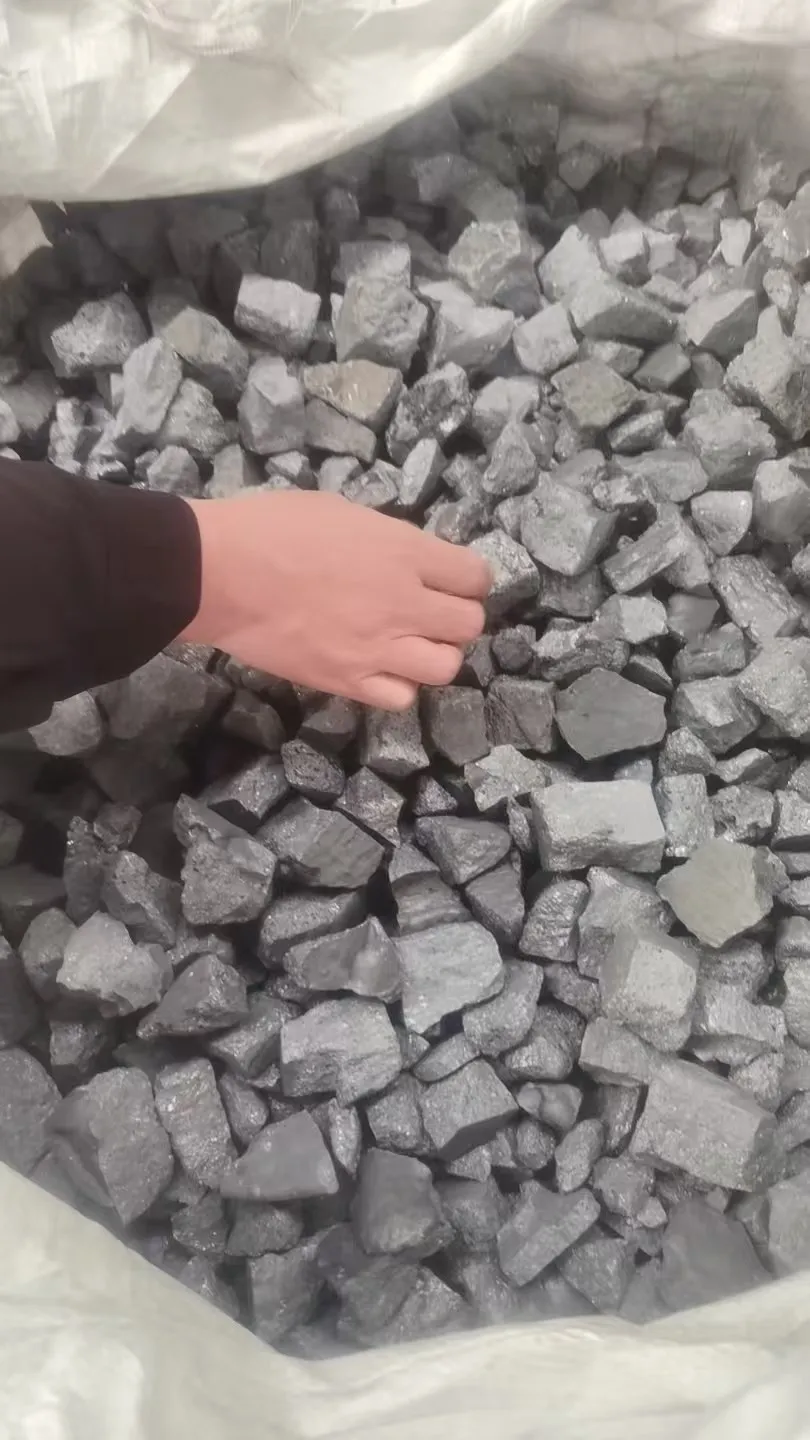
On the supply side, North Korean state media continues to report on efforts to increase domestic ferrosilicon output. The Puryong Ferroalloy Factory, a key facility in the country's metallurgical sector, has reportedly made innovations in production, including reducing electrode replacement times and optimizing raw material mixing ratios to boost molten iron output per charge . This suggests a strategic intent to maintain production volumes regardless of external market pressures.
In summary, the market for North Korean 65% ferrosilicon remains a contentious and opaque segment of the global metallurgical industry. It survives on the fringes, driven by cost-sensitive buyers willing to risk supply chain volatility, while facing persistent legal and logistical hurdles due to ongoing international sanctions.