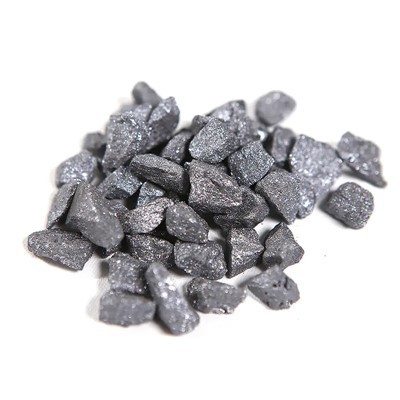
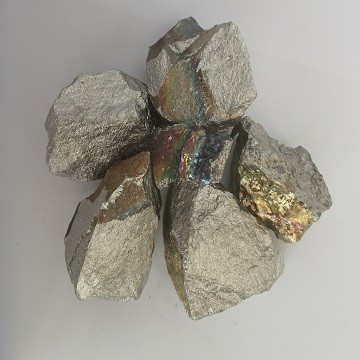
In the evolving landscape of ferroalloy production, silicon carbon metal-a composite alloy primarily composed of silicon, carbon, and iron-is steadily gaining recognition among steel manufacturers as a practical and economical input material. Positioned between traditional ferrosilicon and silicon carbide, this alloy offers a balanced chemical profile that supports both deoxidation and carburization in a single application.
Silicon carbon metal typically contains between 55% and 65% silicon, along with 10% to 20% carbon, with the remainder being iron and trace elements. Its production often utilizes recycled by-products from the silicon metal and ferrosilicon industries, such as flotation dust or off-grade materials, making it a resource-efficient option. By reintroducing these by-products into the supply chain, producers can reduce waste and lower energy consumption compared to producing standard ferrosilicon from virgin quartz and coal.
From a metallurgical standpoint, silicon carbon metal offers advantages in the ladle and electric arc furnace (EAF) processes. The high silicon content serves as a strong deoxidizer, improving steel cleanliness and reducing oxygen-related defects. Simultaneously, the carbon component adjusts the steel's carbon level, while the iron facilitates rapid dissolution into the molten bath. Field trials conducted by Chinese and Indian steel mills have demonstrated that substituting 10–20% of ferrosilicon with silicon carbon metal can reduce alloy costs by up to 8% without compromising mechanical properties in rebar and structural steel grades.
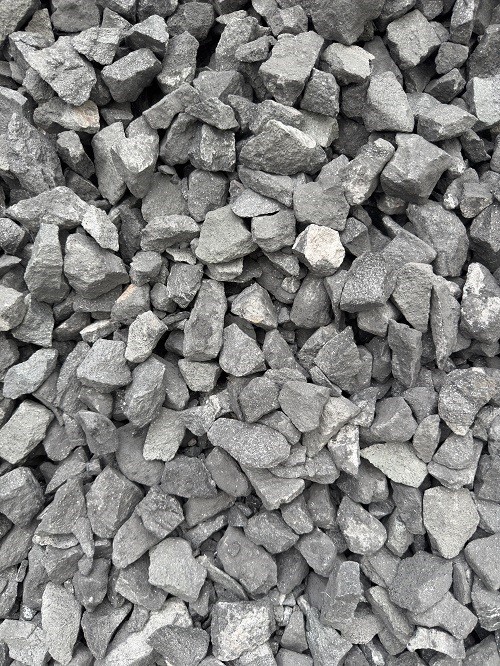
Market adoption, however, is not without challenges. Variations in impurity levels-particularly sulfur, phosphorus, and aluminum-require strict quality control. Additionally, metallurgical standards in North America and Europe have been slower to recognize silicon carbon metal as a direct substitute, preferring proven grades like FeSi75. Nevertheless, with pressure on steelmakers to lower carbon footprints and optimise raw material costs, silicon carbon metal is finding a growing niche in EAF-based mini-mills and foundries across Asia and the Middle East.
Industry analysts anticipate that as secondary material usage becomes more widely accepted, global trade in silicon carbon metal will expand, supported by clearer specifications and third-party certification. For now, it remains a pragmatic, sustainable tool in the modern steelmaker's arsenal-quietly proving that efficiency and economy can coexist in the furnace.
Add my contact details: 📧E-mail: goldenltd.silicon@gmail.com 📞WhatsApp: http://wa.me/8616663721147