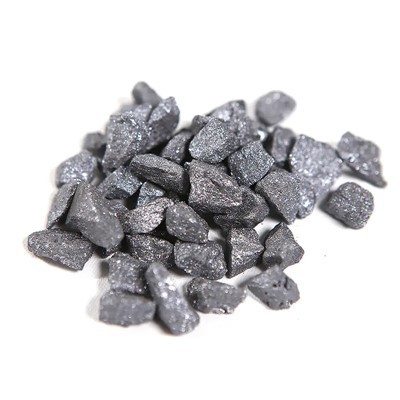
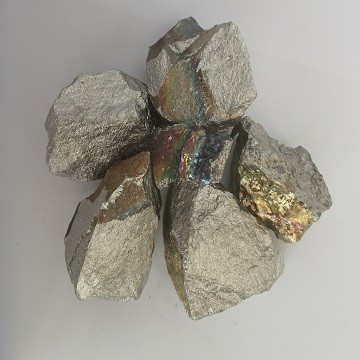
Polysilicon, a high-purity form of silicon and a critical sub-category within the ferroalloy family, is undergoing significant realignment in 2025. Unlike traditional ferroalloys such as ferrosilicon or ferrochrome, which are primarily used in steelmaking, polysilicon serves as the foundational material for photovoltaic (PV) solar cells and semiconductor wafers. This dual demand stream-from both green energy and high-tech industries-has made polysilicon a strategic indicator for the broader materials sector.
Current market data indicates a stabilization of global polysilicon prices following two years of sharp volatility. The primary driver is the continued expansion of solar-grade polysilicon capacity in Asia, particularly in China's Xinjiang and Inner Mongolia regions, where energy costs remain relatively low. Despite this output growth, the industry faces a structural challenge: the production of solar-grade polysilicon (typically 6N–9N purity) requires three to four times more electrical energy per ton than standard ferrosilicon production. Consequently, any fluctuation in industrial power tariffs directly affects operating rates.

In the ferroalloy context, the technical distinction is crucial. While ordinary ferrosilicon (FeSi) is produced via carbothermic reduction in submerged arc furnaces, polysilicon requires additional purification through a modified Siemens process or fluidized bed reactors. This complexity limits global supply flexibility. As of the second quarter of 2026, only a handful of producers outside Asia-including facilities in Germany and the United States-maintain commercial-scale polysilicon output, primarily for semiconductor-grade applications.
Trade flow patterns are also evolving. New import tariffs on Chinese polysilicon imposed by the European Union and the United States have encouraged localized production under inflation reduction incentives, yet these regional suppliers still depend on metallurgical-grade silicon feedstock from traditional ferroalloy hubs. Looking ahead, analysts at leading metals information services predict that integration between polysilicon plants and renewable energy sources will accelerate, effectively decoupling poly production costs from volatile fossil fuel prices. This shift could stabilize both the polysilicon segment and the wider ferroalloy market, reinforcing the material's role in the global energy transition.
📧E-mail: goldenltd.silicon@gmail.com 📞WhatsApp: http://wa.me/8616663721147